|
-
The daily maintenance rules for the gas generator set should pay attention to the oil quality, oil level, oil temperature, and oil pressure of the lubrication system, and pay attention to the cleaning of the centrifugal filter and the engine oil filter to avoid the exacerbation of component wear and the shortening of the service life of the generator set components due to poor lubrication.
-
CO 85%~95%, CO2 1%~4%, O2 about 1%, H2 1%~8%, CH4 about 0.3%, N2 2%~5%, H2O about 5%, H2S 800~3000 mg/m3, P4, PH3 500~1300 mg/m3, HF~1200 mg/m3, AsH3 70~80 mg/m3. The calorific value is generally 2700-3000 kcal/Nm3, producing 1.2-1.3 degrees of electricity per cubic meter of gas.
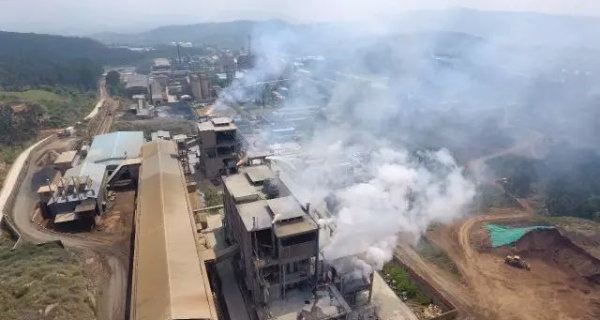
Faced with the financial storm, the phosphorus chemical industry must effectively utilize the tail gas from yellow phosphorus furnaces. In addition, the current environmental protection policies in our country no longer allow direct venting of combustion, which not only leads to serious energy waste and air pollution but also does not conform to the concept of developing a circular economy and promoting energy conservation and emission reduction advocated by the state.
-
Biogas fermentation, also known as anaerobic digestion or anaerobic fermentation, refers to the process in which organic matter (such as animal and human feces, straw, weeds, etc.) is decomposed and metabolized by various microorganisms under certain conditions of moisture, temperature, and anaerobic environment, ultimately forming a combustible mixture of methane and carbon dioxide. The biogas fermentation system is based on the principle of biogas fermentation, aiming at energy production, and ultimately achieving comprehensive utilization of biogas, biogas slurry, and biogas residue.
-
With the continuous growth of energy demand, the exploration and utilization of renewable energy have become increasingly important. As one of the common waste in cities, how to dispose of waste tires has become an urgent environmental issue. In recent years, a new technology that uses tire pyrolysis gas for power generation has gradually emerged, providing a new idea for the reuse of waste tires.
-
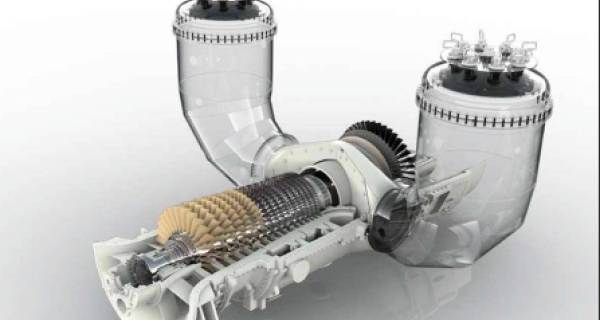
Steam turbines, gas turbines, and internal combustion engines all convert chemical energy (coal, oil, gas, etc.) into mechanical power through combustion and other means to drive loads. Therefore, the engine can be roughly divided into two parts: the combustion system and the power system according to the work process. If chemical energy is burned first, and then the power is generated by the medium push, this kind of engine can be called an "external combustion engine"; While power is generated directly when burned, this type of engine can be called an "internal combustion engine".
-
The relationship between kilowatts and kilovolt-ampere In the field of electricity, kilowatts (KW) and kilovolt-ampere (KVA) are two common units of measurement. Although they are both related to electricity, they represent different physical quantities. Kilowatt is a unit of power that indicates the amount of power consumed or produced by a circuit or device. Power refers to the energy consumed or generated per unit time, which can be used to measure the efficiency of the power system and th
|
|

 Chinese
 English