|
-
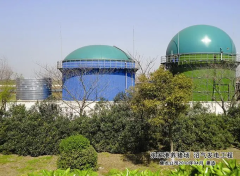
Large scale farms such as pig, cattle, and chicken farms produce biogas from animal manure wastewater after anaerobic fermentation treatment, which can be used to generate electricity for the farms, reducing electricity costs for enterprises and improving economic benefits.
-
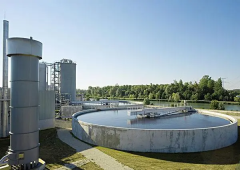
Organic wastewater from urban sewage treatment plants, paper mills, and alcohol factories is anaerobic treated to produce biogas, which is a renewable energy source. It can generate electricity on-site for the use of this enterprise, reducing electricity costs and energy conservation and emission reduction.
-
The landfill of urban household waste generates biogas, which is used for power generation and integration into the municipal power grid, reducing greenhouse gas emissions from landfill biogas, and also has significant economic benefits. Urban kitchen waste is all organic matter, which can produce methane gas after anaerobic fermentation. It is a good renewable energy source and can be used for power generation to reduce the cost of kitchen waste treatment, with significant economic benefits.
|
|

 Chinese
 English